極速三國 一秒開戰
頑星遊戲Strategy
4.19.00 Reviews
- Version
- 2.47
- Installs
- 100.00K
- Age Rating
- Teen
Screenshots
Our Review of 極速三國 一秒開戰
 Analysis by Appyee
I went into Speed Three Kingdoms expecting a familiar historical strategy game, but its strongest quality is how quickly it pushes me from preparation into a meaningful decision. This is a free strategy game from 頑星遊戲, built around the Three Kingdoms setting and aimed at players who enjoy assembling famous heroes, improving a force, and taking part in a broader struggle for territory. The first impression is deliberately dramatic, yet the real appeal appears after the opening excitement: I am constantly choosing whether to spend resources now, hold them for a stronger upgrade, or risk another battle before my position is secure.
The game is listed under the Chinese short name 極速三國, and the longer title, 極速三國 一秒開戰, captures its intended mood: battles should feel close at hand rather than buried under long preparation screens. I found that the experience works best when I treat it as a series of compact strategic choices instead of expecting a slow, highly detailed historical simulation. It wants me to act, see a result, collect something useful, and immediately consider the next move.
How the first action sets the whole game in motion
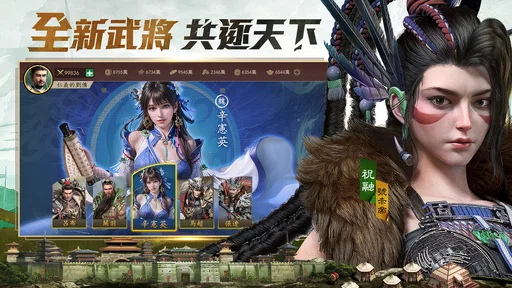
The opening decision is not simply “start a battle.” It is deciding how much attention I want to give the game before committing a force. The Three Kingdoms theme makes the choice feel personal because the heroes are not just anonymous units in a menu. I naturally began thinking about which characters should lead, which ones should support the main plan, and whether a stronger-looking lineup was actually the best use of what I had available.
That is where the game differs from a basic tap-to-win mobile title. Even when the interface makes the next action obvious, I still have to read the situation. A battle is more satisfying when I enter it with a reason: testing a formation, pushing through a difficult opponent, or trying to turn a recent upgrade into a practical advantage. The action begins quickly, but the useful question is what I am trying to learn or gain from it.
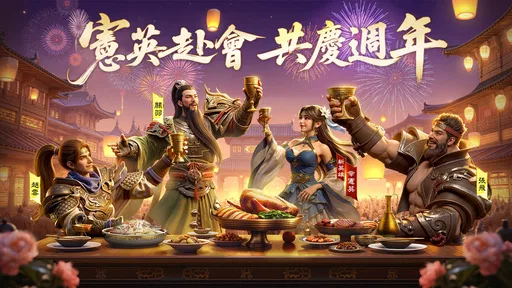
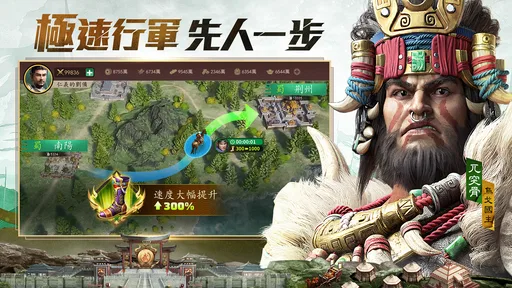
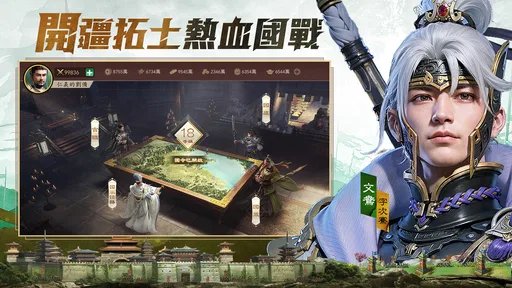
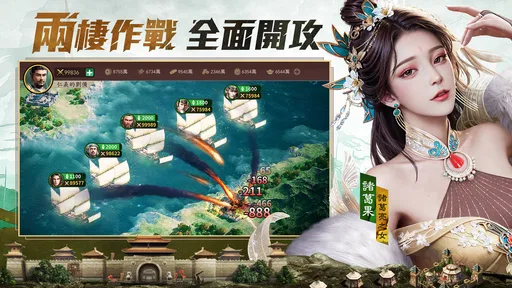
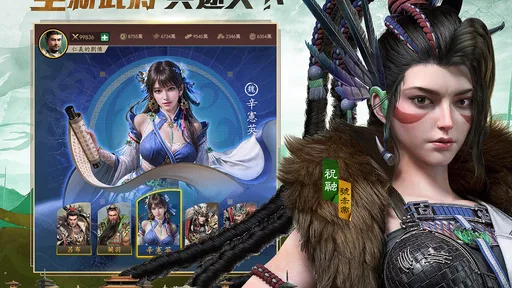
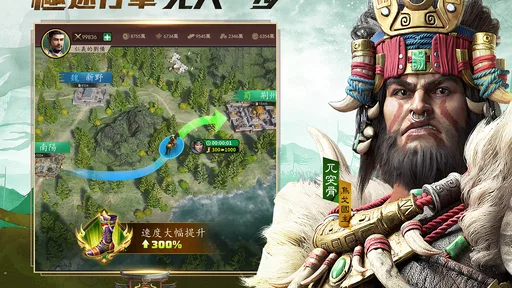
The presentation helps sell this opening phase. The developer describes the visual direction as high-end Three Kingdoms imagery, and the game does make the historical setting central rather than decorative. Hero portraits, battlefield presentation, and the sense of rival powers competing for dominance give each decision more context than a generic fantasy backdrop would. I would not mistake it for a full console-style historical war game, but it has enough visual ambition to make the roster and campaign feel connected.
New players should resist the temptation to improve everything at once. I had a better experience when I concentrated on a dependable core group and watched how that group performed before spreading resources across every available option. In a game built around heroes and national conflict, a broad collection looks attractive, but an unfocused collection can leave every unit merely adequate. The practical lesson is simple: make one plan strong enough to reveal its weaknesses before trying to build several plans at the same time.
This also answers an important question for anyone wondering whether the game is suitable for short play sessions. Yes, the quick-war concept makes it approachable when I only have a few minutes, but the strategic layer rewards returning with a specific intention. A short visit can be used to claim a reward, adjust a lineup, or attempt one battle. A longer visit is more useful when I want to compare results and decide which improvement actually changed the outcome.
The first useful habit: enter each fight with a test in mind
I found it helpful to treat an early battle as an experiment. Instead of changing several heroes and upgrades together, I changed one part of my setup and watched what happened. This is a small habit, but it prevents the usual mobile strategy problem where a victory tells me almost nothing because I cannot identify why I won. If I improve a leader, alter the arrangement, and replace a supporting hero all at once, the feedback becomes muddy.
The same approach helps when a battle goes badly. A defeat is not automatically a sign that I need to spend money or wait for a rare character. It may indicate that my current group lacks balance, that I upgraded the wrong part of the force, or that I pushed into a fight before collecting the resources from easier progress. The game is more enjoyable when I use failure as information rather than as a command to grind without a plan.
The feedback rhythm: action, result, and the next decision
The central rhythm is easy to describe: I choose a force, begin an encounter, see the result, receive progress or resources, and then decide whether to strengthen the same plan or change direction. That rhythm is the reason another session begins. The game rarely needs to invent a completely new activity to keep my attention; it relies on the feeling that the last result has created a new possibility.
Good feedback in a strategy game should answer three questions quickly. What worked? What held me back? What can I change before trying again? Speed Three Kingdoms is at its best when the battle presentation and the aftermath make those questions feel connected. A reward is not merely a number added to an account; it is useful when I can immediately imagine where it should go.
I paid particular attention to the difference between visible action and meaningful progress. A fast battle can feel exciting, but speed alone does not make a strategy game satisfying. The stronger moments came when the result altered my next choice. A newly improved hero, a more reliable lineup, or access to a tougher challenge gives the following session a clear purpose. If the reward does not affect my decisions, the loop starts to feel like routine collection.
This is also where the game asks for patience. Mobile strategy titles often create a temptation to chase every available improvement because the interface presents several attractive paths at once. I learned to separate immediate rewards from important rewards. A small gain may help me finish the current stage, while saving resources may produce a more noticeable improvement later. Neither choice is always correct, which is what keeps the loop from becoming entirely automatic.
For an everyday scenario, imagine playing during a commute or while waiting for an appointment. I can use the first minute to check the current lineup, take one action, and see whether the result justifies continuing. If the battle exposes a clear weakness, I can stop with a useful piece of information rather than forcing a long session. If the reward unlocks a practical improvement, I have a natural reason to play again later. That makes the game easier to fit into a day than a strategy title that demands a long uninterrupted campaign every time.
How to read rewards instead of simply collecting them
My most useful adjustment was to ask what a reward changes before spending it. If it strengthens the group I actually use, it has immediate value. If it only adds another possibility to an already crowded roster, it may be better saved. This is especially important for players who enjoy collecting Three Kingdoms heroes but also want a force that performs consistently.
Another practical tip is to compare the reward with the cost of the next attempt. A battle that grants progress but consumes too many resources can be less attractive than a safer encounter that builds a stronger base. The game encourages momentum, yet momentum without resource control can leave me unable to make the upgrade that would have solved the problem.
The reward loop also explains why the free-to-play structure deserves attention. The game is free to download, while optional in-app purchases range from $0.99 to $299.99 per item. That wide range means I would approach spending carefully. A purchase may shorten a wait or accelerate collection, but it should not replace understanding the lineup and the resource economy. I recommend deciding on a personal limit before becoming invested in a particularly difficult stretch, because the desire to recover quickly from a setback is exactly when an impulse purchase feels most tempting.
When a session resets, the strategy should not
One reason I kept returning was that a finished battle does not have to be the end of the thought process. The session can reset in a practical way: I collect what I earned, inspect the current state of the force, and leave with a clearer plan. The next visit then starts from a changed position rather than from the same empty menu.
This reset is valuable for players who do not want a game that demands constant attention. I can end after a useful result and return when I have time, without needing to remember a complicated chain of actions. At the same time, the broader war setting gives the game a sense of continuation. My personal progress feels like part of a larger contest, even when I am only making one upgrade or testing one battle.
The trade-off is that the reset can become repetitive if I stop making deliberate choices. When every session follows the same pattern and I never review why I am winning or losing, the game turns into a checklist. The solution is not necessarily to play longer. It is to give each return a different purpose: improve survivability, test a new hero, conserve resources, or push into a more demanding fight.
I also think the game suits players who enjoy gradual account development more than those seeking a single, perfectly balanced match. The satisfaction comes from seeing a force become more capable over repeated visits. If I want a strategy game where every match begins on equal terms and my long-term collection has little influence, a competitive board-game adaptation or a traditional skirmish title would probably suit me better. Here, the history of earlier choices follows me into the next encounter.
Who should use the short reset to their advantage
Busy players can treat the reset as a stopping point rather than a failure to finish a full session. Before leaving, I make sure I understand what the last reward is for and what the next action should be. That tiny bit of planning removes the friction of returning later and wondering where to begin.
Players who prefer deep, uninterrupted planning should know that the quick-war identity may feel less comfortable. The game is designed to keep action close, so it does not always create the calm, spacious feeling of a slow grand-strategy campaign. I enjoyed the immediacy, but someone who wants to spend a long time studying a map before any conflict may find the pace too eager.
The age rating is Teen, which is worth considering for families deciding whether it belongs on a shared device. The theme involves war and historical conflict, and the presentation is built around conquest rather than peaceful city management. I would not choose it for a young child looking for a simple construction game, but it is a more natural fit for older players who already enjoy strategy systems and competitive progression.
What the current version means for choosing the game
The current version is 2.47, and the game requires Android 5.0 or later. That makes it accessible to a broad range of Android devices, although actual comfort will still depend on the phone’s performance and how well it handles the game’s visual presentation. I would check available storage and general device responsiveness before committing to long sessions, especially if the phone is older or already crowded with large games.
The title has reached over one hundred thousand installs and holds a 4.1 average from around seven thousand ratings. Those figures suggest that it has found a real audience, but they are not a substitute for matching the design to my own preferences. The smaller review count shown alongside those ratings means I would pay more attention to the actual play loop than to isolated comments. A strategy game can be well received and still be the wrong choice for someone who dislikes collection systems or repeated progression.
Compared with a conventional turn-based Three Kingdoms game, this one places more emphasis on quick engagement and repeated improvement. I spend less time waiting for a large strategic phase to unfold and more time deciding what to do with the result of the latest encounter. Compared with an idle strategy game, it feels more hands-on because my choices around heroes, resources, and battle timing matter more to the experience than simply checking in for automatic accumulation.
Compared with a pure real-time strategy game, it is easier to approach in short bursts. I do not need the same uninterrupted focus required by a live match where one missed moment can decide everything. The cost of that convenience is that the long-term progression and roster decisions carry more weight. Players looking for direct, equal-footing competition may prefer another category, while players who enjoy building an advantage over time will likely appreciate this structure.
Three trade-offs I would consider before installing
- Speed versus analysis: the fast battle flow makes the game approachable, but I need to slow down mentally and study results if I want the strategy to remain meaningful.
- Collection versus concentration: gathering heroes is appealing, yet focusing resources on a dependable core is usually more useful than upgrading every option equally.
- Free access versus spending pressure: I can begin without paying, but the optional purchase range makes a preset budget sensible before chasing faster progress.
These trade-offs are more important than the visual promise alone. The historical setting may attract me initially, but I stay because each result gives me a reason to make another decision. If the characters and period are only a backdrop for me, the repeated upgrade cycle may not be enough to hold my attention. If I enjoy turning a growing roster into a working force, the setting and loop reinforce each other well.
My verdict on the action-to-reset loop
After spending time with it, I see Speed Three Kingdoms as a quick-moving strategy game for players who like a clear chain of action and consequence. I choose a force, begin a fight, read the feedback, use the reward, and return later with a revised plan. The loop is not revolutionary, but it is tangible, and the Three Kingdoms theme gives the progression a stronger identity than an interchangeable army-building game.
My recommendation comes with conditions. I would suggest it to someone who wants historical heroes, short sessions, visible progression, and enough strategic choice to make lineup decisions matter. I would skip it if I wanted a slow map simulation, a purely skill-based match with equal starting conditions, or a game without collection and purchase pressure. I would also avoid rushing through the battles on autopilot, because that removes the very feedback that makes the next session worthwhile.
For me, the best way to play is to keep the loop disciplined: begin with one clear objective, make one meaningful adjustment, and stop when the reward has answered the question I brought into the session. That approach keeps the quick pace from becoming mindless repetition. The strongest reason to return is not simply that another battle is available, but that the last battle leaves me with a better-informed choice.
頑星遊戲 has made a free strategy title that understands the appeal of immediate conflict without abandoning long-term development. Its visuals and setting create the invitation, but its real value is in the small decisions between encounters. I would recommend giving it a try if that balance sounds appealing, while keeping spending controlled and judging progress by the quality of my decisions rather than by how quickly I can unlock the next reward.
Verdict
Strengths of 極速三國 一秒開戰
- Quick battles suit short gaming sessions.
- Three Kingdoms characters offer familiar historical appeal.
- Simple controls make it easy for new players to start.
- Frequent rewards help maintain early-game progress.
- Multiple units and formations add tactical variety.
Limitations of 極速三國 一秒開戰
- Progress may become heavily dependent on resource grinding.
- Large character rosters can make team building confusing.
- Competitive modes may favor players who spend money.
- Repeated battles can feel routine after extended play.
- Device performance may suffer during crowded combat scenes.
Similar Picks in This Category
View All
Clash of Clans
Supercell4.5

Plants vs. Zombies™
ELECTRONIC ARTS3.7

Lords Mobile: Kingdom Wars
IGG.COM4.5

Clash Royale
Supercell4.4

State.io — Conquer the World
CASUAL AZUR GAMES4.1

Car Driving School : Car Games
Spark Game Studios3.9
Frequently Asked Questions
What is 極速三國 一秒開戰, and what kind of game is it?
極速三國 一秒開戰 is a fast-paced mobile strategy game inspired by the Three Kingdoms era. It combines hero collection, real-time or quick battles, kingdom development, and tactical team building. Players recruit famous historical generals, improve their abilities, arrange formations, and compete through campaign stages and other game modes. The focus is on rapid progression and immediate battles rather than slow, highly complicated management.
Can I play 極速三國 一秒開戰 without spending money?
You can download and play 極速三國 一秒開戰 for free, but the game may include optional in-app purchases. These purchases can provide premium currency, recruitment opportunities, upgrade materials, or other time-saving items. Free players can still progress by completing missions, participating in events, and managing resources carefully, although competitive advancement may take longer. Before downloading, check the store listing and your device’s purchase settings.
Does 極速三國 一秒開戰 require an internet connection?
An internet connection is generally expected for 極速三國 一秒開戰 because features such as account synchronization, online events, rankings, rewards, and server-based battles rely on communication with the game servers. Some menus or previously loaded content may appear accessible temporarily, but the complete experience is unlikely to work offline. A stable Wi-Fi or mobile data connection is recommended to avoid interruptions during battles and account-related activities.
Is 極速三國 一秒開戰 suitable for beginners who do not know the Three Kingdoms story?
Yes, beginners can enjoy 極速三國 一秒開戰 even without detailed knowledge of the Three Kingdoms period. The game introduces its characters and progression systems through tutorials, missions, and visual menus, so historical familiarity is not required to understand the basic gameplay. However, players who recognize famous generals may appreciate the character designs and relationships more. New users should follow the early tutorial carefully and save resources until they understand team roles.
What should I check before downloading 極速三國 一秒開戰?
Before downloading 極速三國 一秒開戰, check whether your Android or iOS version is supported, whether enough storage space is available, and whether the game is officially available in your region. You should also review the age rating, privacy information, data requirements, and in-app purchase policy. Because the game may download additional files after installation, using Wi-Fi and keeping sufficient free storage can make the first launch smoother.
Play our best games!


